Why Booking a Meeting Space Shouldn't Be Hard: 5 Ways to Skip the Back-and-Forth
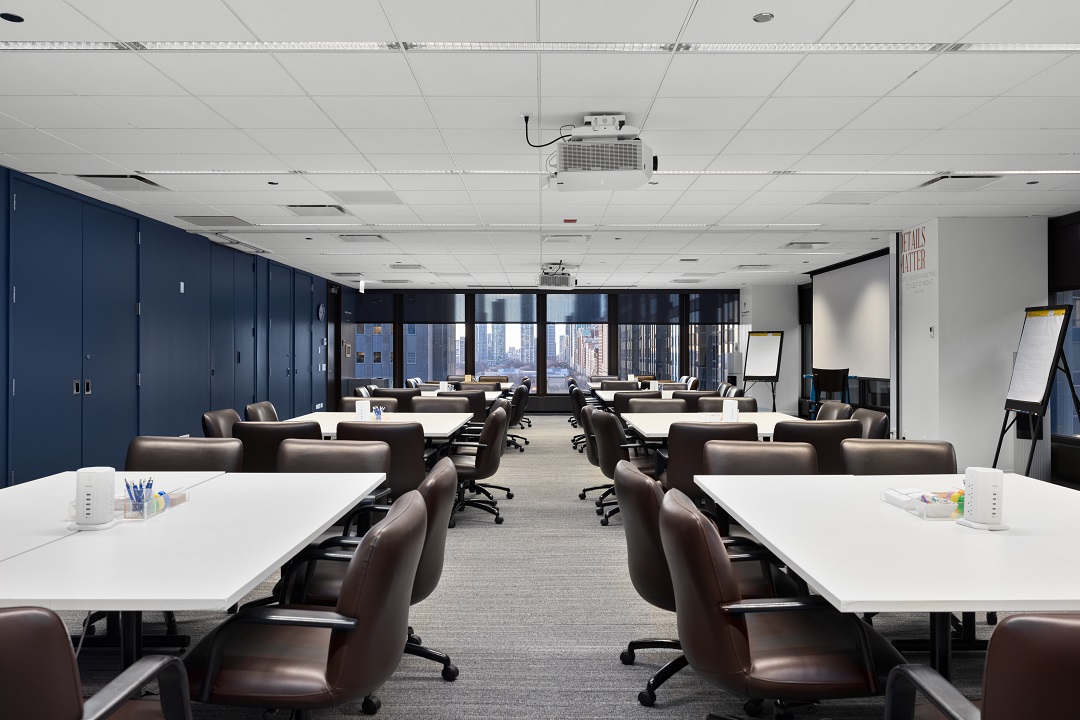
Booking a meeting space should take hours, not weeks. Yet planners regularly find themselves stuck in a loop of unanswered emails, unclear pricing, and rooms that look nothing like their online photos. That back-and-forth doesn't just waste time. It pulls focus away from the actual meeting you're trying to plan.
This blog includes five practical ways to simplify the booking process, along with what to look for in a venue that works with you.
Why Meeting Space Booking Gets Complicated in the First Place
The friction almost always starts with information gaps. A venue lists a meeting room without confirming exact capacity, layout options, or what's included in the rate. You send an inquiry. You wait. You follow up. By the time you have real answers, you've spent more time on logistics than on your agenda.
Traditional venues, especially hotels, often treat meeting rooms as secondary to room blocks and catering revenue. That means slower responses and inconsistent details from teams managing too many priorities at once. For a planner coordinating attendees, materials, and timing, easy meeting booking isn't a luxury. It's a real need that most venues fail to meet.
1. Start with a Venue That's Built for Meetings, Not Adapted for Them
There's a real difference between a space designed for business meetings and a hotel ballroom pressed into corporate use. Purpose-built meeting spaces account for acoustics, lighting, seating, and technology from the beginning, not as an afterthought.
At Summit Chicago, every room exists specifically for business meetings, conferences, training sessions, and workshops. We don't host weddings or galas. Our entire focus is on creating a productive environment for the people sitting around your table. That narrow focus removes a significant number of variables from the planning process. When the space is designed around your needs, fewer things require negotiation or explanation before you can confirm a date.
2. Look for Transparent Pricing That Doesn't Require Three Emails to Understand
Itemized pricing, where every projector, coffee service, and hour of setup carries a separate charge, makes budgeting difficult and internal approvals longer. All-inclusive packages solve that by bundling the essentials into one clear rate.
Our Complete Meeting Package brings together room rental, onsite audiovisual support, high-speed internet, scratch-made catering, and dedicated planning assistance in a single package. Planners know exactly what they're getting and what it costs before any contract is signed. That kind of pricing clarity shortens the booking cycle and removes the negotiation loop that slows down so many venue conversations.
3. Confirm Room Details Upfront: Capacity, Setup, and Tech Included
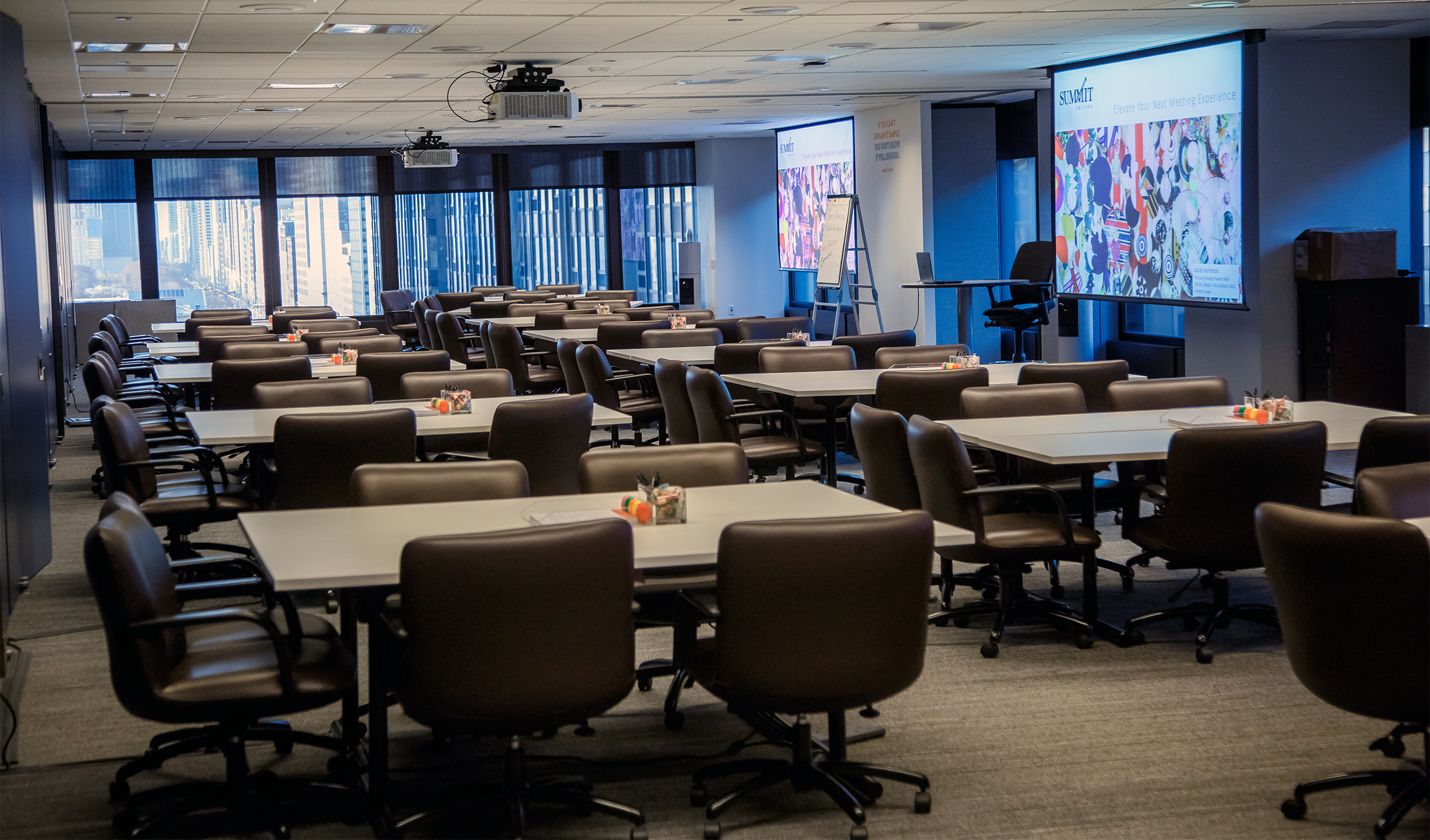
Vague room descriptions generate follow-up questions almost every time. When a venue lists "seats up to 50" without specifying whether that's theater-style or conference-style, planners have to ask. When AV capabilities aren't confirmed in advance, technical issues arise on the morning of your meeting.
Before committing to any meeting space in Chicago, confirm the exact seated capacity for your preferred layout, the available configuration options, and the AV equipment included with the room. Summit Chicago offers flexible room configurations with built-in AV capabilities and an on-site technical support team ready on the day of your event. There's no outside vendor to coordinate and no guesswork about whether the equipment will work.
4. Work with a Dedicated Planning Contact, Not a Rotating Inbox
Who you communicate with matters as much as what you're told. When your inquiry goes to a shared inbox and gets answered by a different person each time, context gets lost, and small miscommunications turn into bigger problems.
A single dedicated contact changes that completely. At Summit Chicago, planners work with a single point of contact from the initial inquiry through the day of the meeting. That relationship builds shared understanding fast, reduces delays, and means someone genuinely familiar with your event is available when questions come up. It's a core part of how we approach business meetings in Chicago, and it makes a noticeable difference in how smoothly the process runs.
5. Choose a Location That Works for Everyone Attending

A venue's location affects more than travel time. It affects whether people actually show up and arrive ready to work. Complicated parking, limited transit access, or an unfamiliar part of the city can reduce participation before the meeting even begins.
Summit Chicago sits just off Chicago's Magnificent Mile, one of the most accessible areas in the city. Attendees arriving by public transit, rideshare, or car can reach us without difficulty, and the surrounding area offers straightforward options for those coming from out of town. A central, easy-to-reach Chicago meeting venue means your attendees spend less energy on getting there and more on the work in front of them.
FAQs
What should I look for when booking a meeting space in Chicago?
Start with location, confirmed room capacity, included amenities, and pricing transparency. A central location near transit reduces friction for attendees. Knowing exact capacities and layout options before you commit prevents surprises on meeting day.
What does an all-inclusive meeting package typically include?
Most all-inclusive packages cover room rental, AV equipment and technical support, high-speed internet, and catering. Summit Chicago's Complete Meeting Package also includes dedicated planning assistance from a single point of contact.
How far in advance should I book a meeting space?
For smaller meetings under 20 people, two to four weeks of lead time is often enough. For larger conferences, training sessions, or multi-room events, four to eight weeks gives you more flexibility in room selection and date availability.
Book a Meeting Space That Skips the Back and Forth
Booking a meeting space should support your planning, not add to it. Starting with a purpose-built venue, securing transparent pricing, confirming room details early, working with a dedicated contact, and choosing a central location each remove a layer of unnecessary back-and-forth from the process.
Reach out to our team at Summit Chicago to check availability and get straightforward answers. No lengthy email chains required.